How fashion brands actually get into Nordstrom Marketplace
Nordstrom doesn't publish an application link. Here is how the invitation process really works, what reviewers look for, and the three things that get brands rejected.
 By Jay El-KaakeAugust 10, 20263 min read
Nordstrom Marketplace is not a form you fill out. There is no public "apply now" button, no self-serve onboarding, no waiting room. Brands get in because someone at Nordstrom decided the assortment needed them, or because a partner made that case on their behalf.
That one fact explains most of the confusion. You are not applying to a platform. You are pitching a merchant.
What Nordstrom is weighing
Nordstrom's marketplace exists to extend the assortment without carrying inventory risk. The review team thinks like buyers, not like an app store. Three questions decide it.
Does this brand belong on nordstrom.com? Price point, photography, and brand story all get read against what already sells there. A brand that looks at home on a fast-fashion marketplace can read as off-tone next to the labels Nordstrom carries. Most of the silent rejections happen here, and nobody tells you the imagery was the problem.
Can this brand operate? Marketplace orders come with service-level expectations: ship on time, keep inventory accurate, handle returns without drama. A beautiful brand that oversells stale inventory is a worse outcome for Nordstrom than a plain one that ships every order on time.
Is the catalog ready? Nordstrom's item setup has category-specific required fields, image standards, and variant structures. Reviewers can tell within minutes whether your product data will survive setup or turn into a support project.
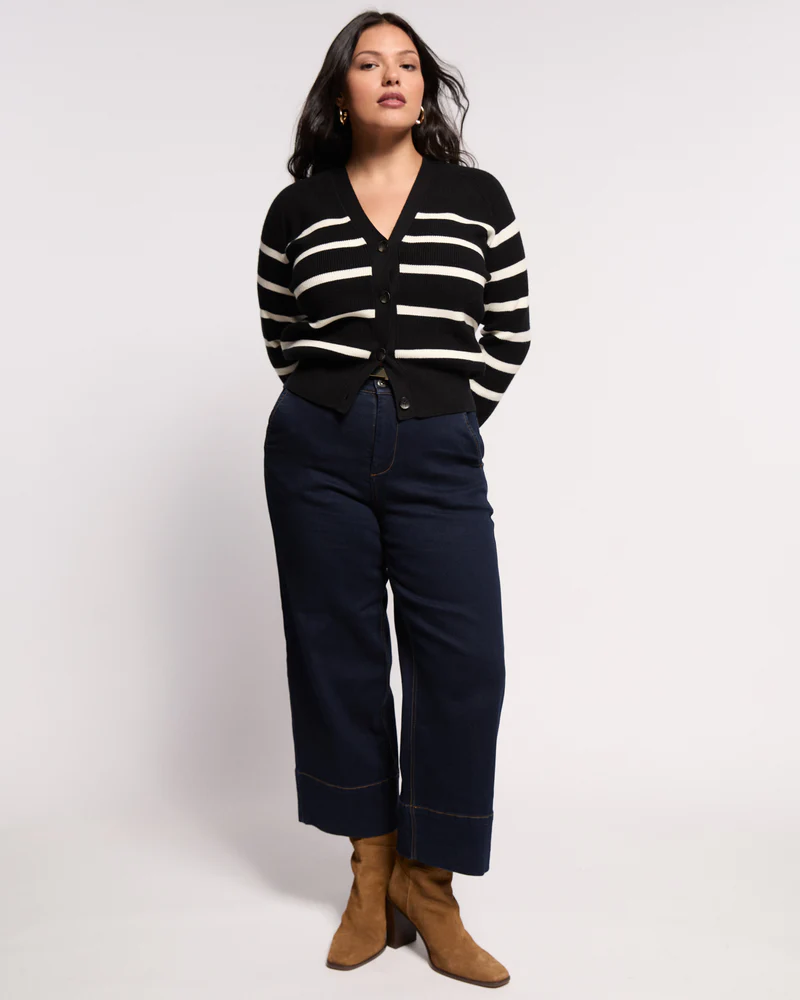
The imagery bar: on-model, neutral background, full product visible. Reviewers judge your catalog by its weakest photo.
The brand book is the pitch
Because there is no form, the brand book carries the application. A good one reads like a buyer's line sheet crossed with a press kit: brand story, positioning, target customer, merchandising strategy, and visual identity, all in your own art direction rather than a template.
The mistake is treating it as decoration. Reviewers use it to answer the fit question, so every page should make that argument. Show the pieces styled the way Nordstrom customers wear them. Name the brands you sit between. Make the price architecture legible.

Style the pieces the way Nordstrom customers will see them. The book should read like it already belongs on the site.
The three rejection patterns
After walking dozens of fashion brands through this, the failures cluster into three patterns.
- Applying cold with no story. A line sheet and a Shopify link is not a case. Someone at Nordstrom has to champion your brand internally. Give them the material to do it.
- Underestimating item setup. Acceptance is the halfway point. Brands stall for months between the yes and go-live because the catalog can't meet the field requirements. The brands that go live in weeks prepared their data before the yes.
- Ignoring operations. If your returns policy, shipping windows, or inventory practices can't meet marketplace standards, fix that before you pitch. It will come up.
What the timeline really looks like
Cold and unassisted: six to nine months from first contact to first sale, when it works at all. With a partner who has the channel relationship and handles the brand book, application, and item setup: three to six weeks from kickoff to live listings.
The difference is preparation, not magic. The application arrives complete, the catalog is transformed to Nordstrom's requirements before setup starts, and nobody is learning the process on your time.
If Nordstrom is on your roadmap, start with the brand book and the catalog audit. Both earn their keep even if you never apply. One sharpens your positioning; the other tells you how far your product data is from retail-grade.
Keep reading
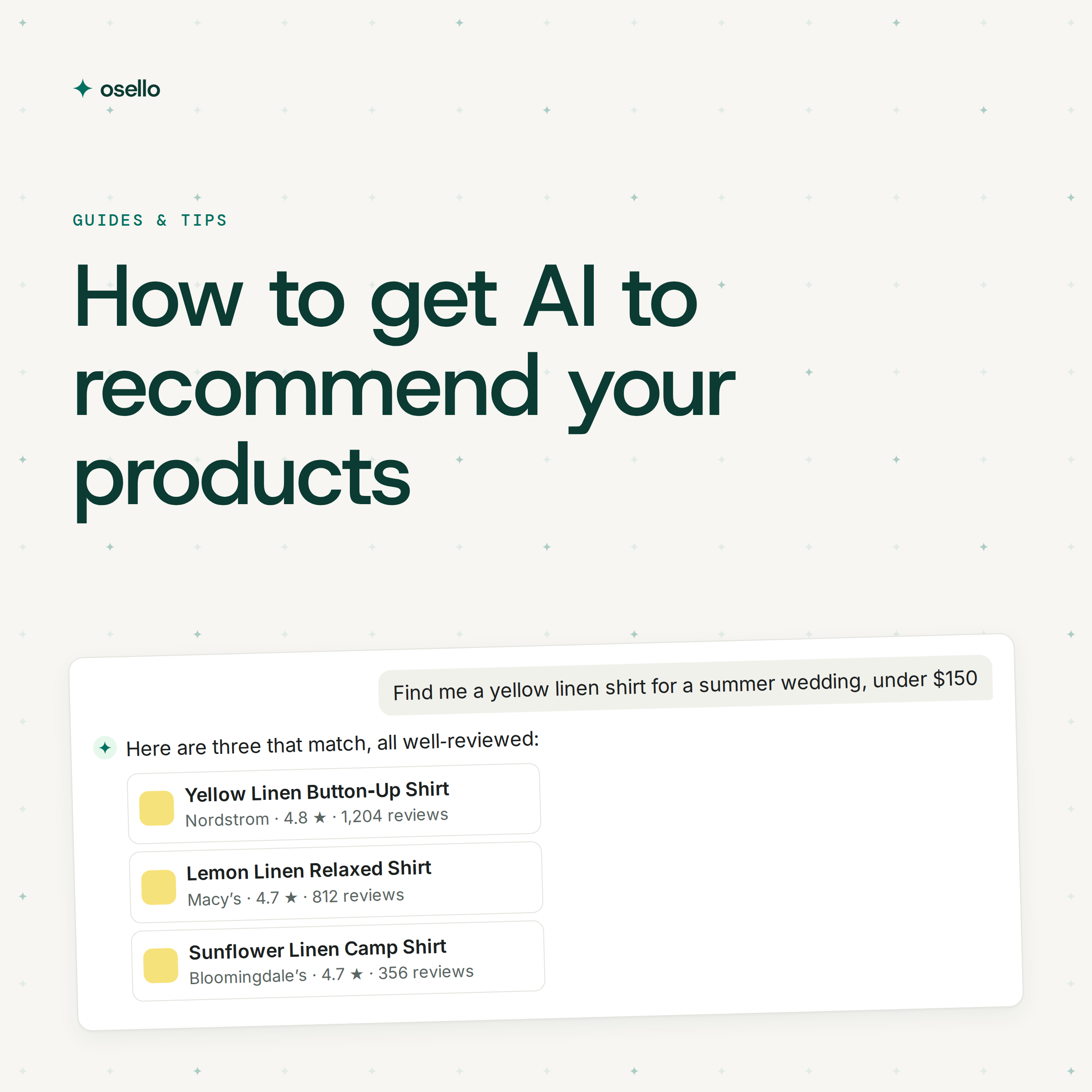
Guides & TipsSeptember 16, 20269 min read
How to get AI to recommend your productsShoppers now ask ChatGPT and Perplexity instead of clicking through Google. What fashion brands can do about it: the 80% you should already be doing, and the 20% that moves the needle.
Guides & TipsAugust 6, 20263 min read
The brand book buyers actually readRetail reviewers spend minutes, not hours, with your application. A brand book earns those minutes or wastes them. Here is the five-part structure that works.
Guides & TipsAugust 8, 20263 min read
Why every department store suddenly wants your brandMacy's, Nordstrom, and Bloomingdale's all launched marketplaces within a few years of each other. The wholesale math stopped working, and that is an opening for independent brands.
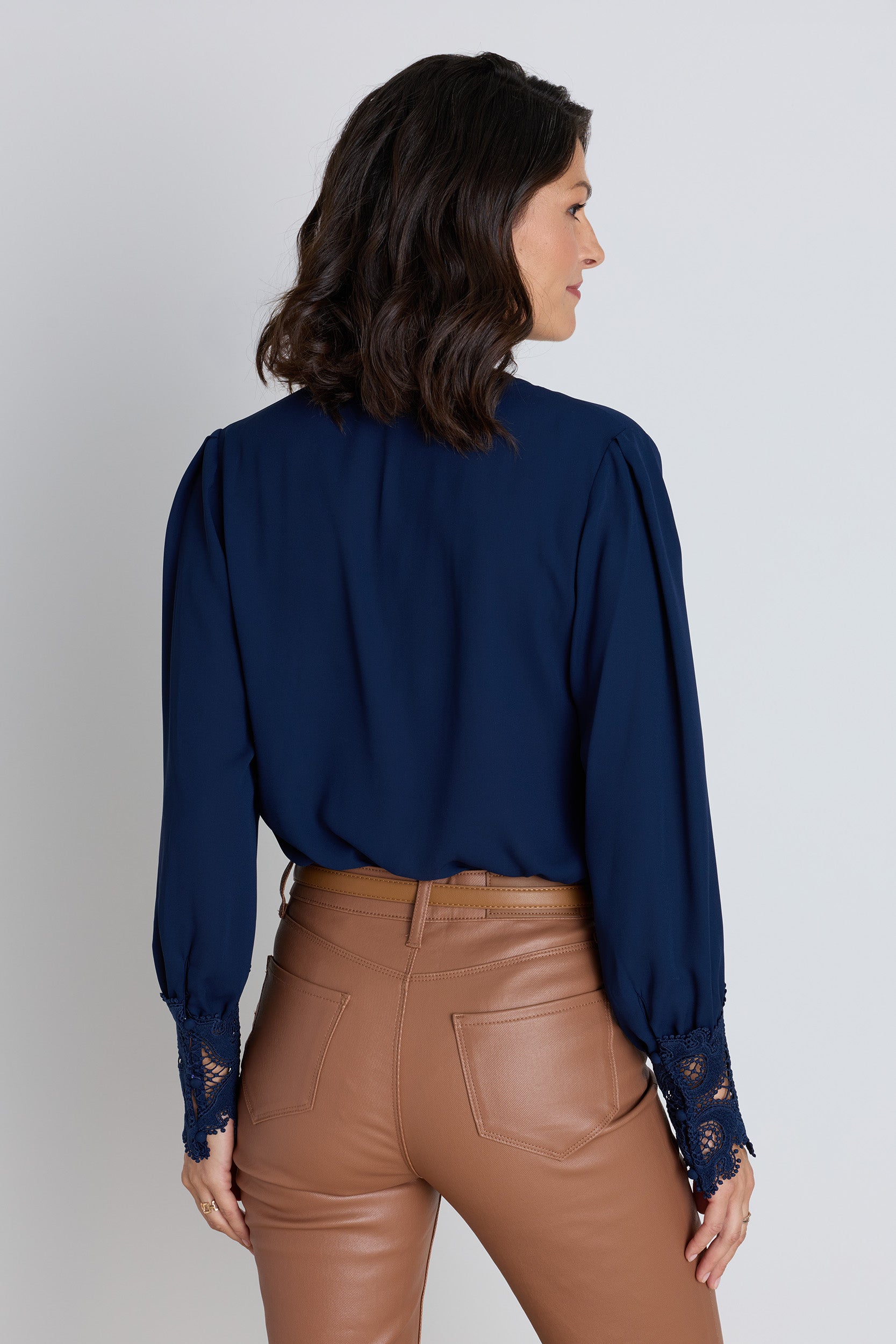
Guides & TipsAugust 4, 20263 min read
The marketplace readiness checklist: 21 things to fix before you list anywhereA working checklist covering catalog data, imagery, operations, and brand assets, the four areas every marketplace reviews, in the order they will find the gaps.
Your catalog. On every marketplace.
Osello syncs styles, imagery, and inventory from your Shopify catalog to the marketplaces you sell on.
Learn more